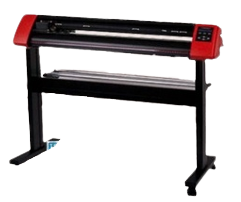
Low Fidelity Machines
All are FDM-style machines which extrude plastic filament through a heated nozzle to build the part layer by layer. Primary material is PLA, but can also use ABS, PETG, TPU, Nylon, etc. With Engineering Justification. CreatBot can print with higher temperature materials (ULTEM 9085).
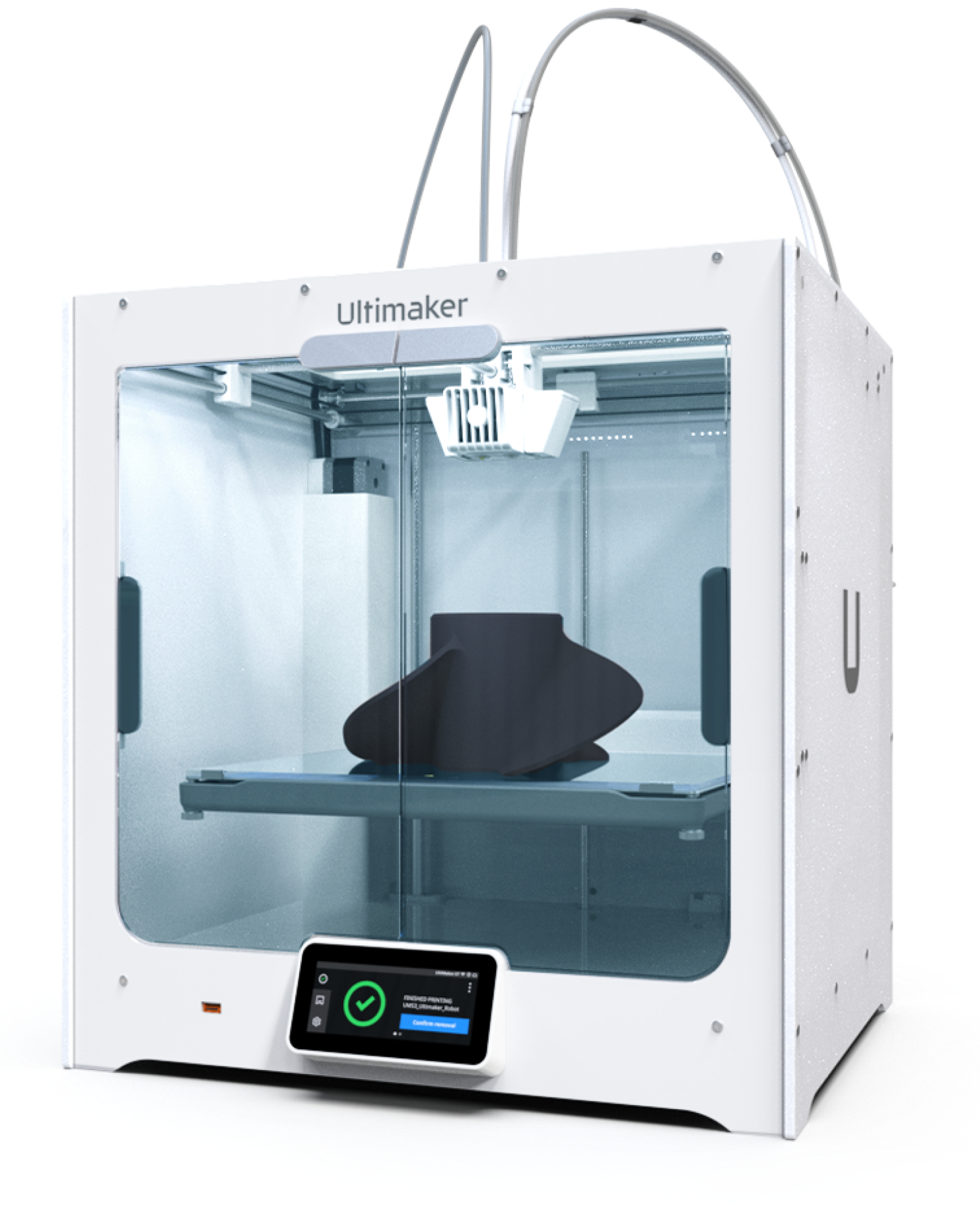
Ultimaker S5
Printer Specifications
Material: PLA
Support: breakaway
Build Volume: 330x240x300mm (13×9.4×11.8in)
Z slice: 20-200 micron – FEDC default is 200 microns
Bead width: 0.4mm nozzle
Accuracy/Resolution: 6.9 microns in XY, 2.5 microns in Z
FEDC default settings: Infill at 15%
Software: Ultimaker Cura

Prusa XL
Printer Specifications
Material: Primary materials are PLA and PETG; can use others (With Engineering Justification)
Support: breakaway
Build Volume: 360x360x360mm (14.17×14.17×14.17in)
Z slice: 50-300 micron – FEDC default is 200 microns
Toolhead: Single extruder/toolhead
Bead width: 0.4mm nozzle
Accuracy/Resolution: 20 microns in XY, 10 micron in Z
FEDC default settings: Infill at 15%
Software: OrcaSlicer
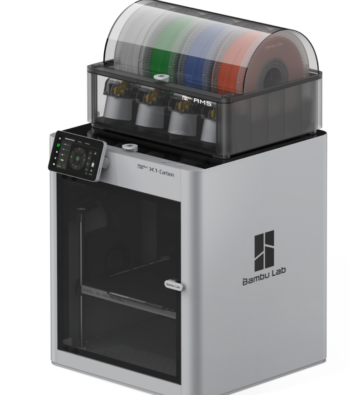
BambuLabs X1-Carbon
Printer Specifications
Materials: Primary materials are ABS, TPU, and PETG; can also use PLA, Nylon, etc. (With Engineering Justification)
Support: breakaway
Build Volume: 256x256x256mm (10x10x10in)
Z slice: 80 microns to 280 microns – FEDC default is 200 microns
Bead width: 0.4mm nozzle
Accuracy/Resolution: ±0.2 to 0.5 mm
FEDC default settings: Infill at 15%
Software: OrcaSlicer
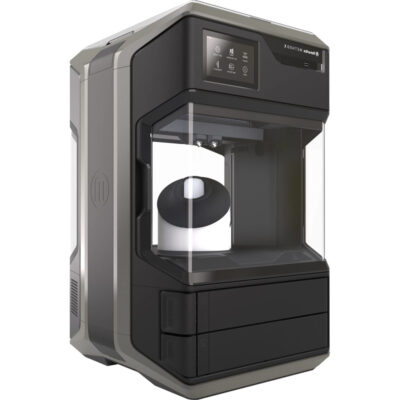
MakerBot Method X
Printer Specifications
Material: Used for larger ABS prints (With Engineering Justification)
Support: breakaway
Build Volume: 152 x 190 x 196mm (7.5 x 7.5 x 7.75in)
Z slice: 20-400 microns – FEDC default is 200 microns
Bead width: 0.4mm nozzle
Accuracy/Resolution: +/- 0.2 mm dimensional accuracy
FEDC default settings: 3 shell layers, infill at 15%
Software: MakerBot Print
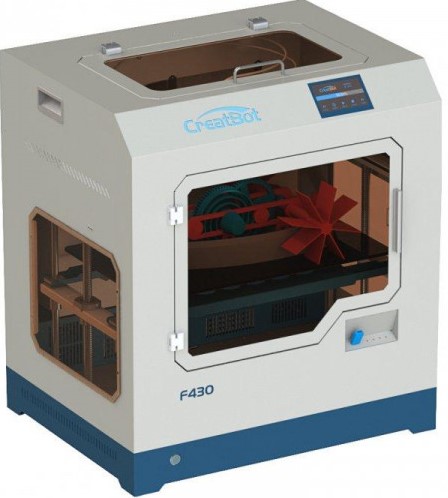
CreatBot F430
Printer Specifications
Material: ULTEM 9085, ABS, etc. – (Mean for Higher Temperature Materials)
Support: breakaway
Build Volume: 400 x 300 x 300 mm
Z slice: 0.2mm
Bead width: 0.4mm nozzle
Accuracy/Resolution: XY 12.7μm, Z 1.25μm
FEDC default settings: Infill at 15%
Software: PrusaSlicer
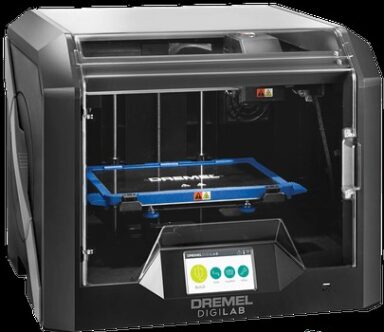
Dremel 3D45
Yellow Badge Only!
Printer Specifications
Material: PLA
Support: breakaway
Build Volume: 255x155x170mm (10x6x6.7in)
Z slice: 50-300 microns, FEDC default is 200 microns
Bead width: 0.4mm nozzle
Accuracy/Resolution: generally within 0.1mm
FEDC default settings: infill at 15%
Software: Dremel DigiLab
High Fidelity Machines
FDM Style Machines
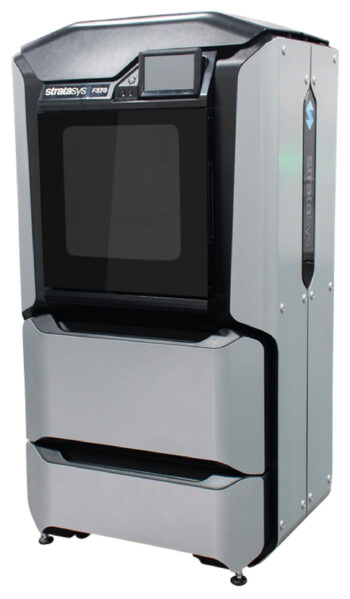
STRATASYS F370
Printer Specifications
Material: ABS, ASA, PC-ABS, ABS-CF10, TPU – (Future possibilities include: ABS-ESD7 and Diran)
Support: Soluble
Build Volume: 355 x 254 x 355 mm (14 x 10 x 14 in.)
Z slice: 0.005-0.013in – FEDC default is 0.01in
Bead width: 0.25mm for 0.01in Z slice
Accuracy/Resolution: Parts are produced within an accuracy of +/- .200 mm (.008 in), or +/- .002 mm/mm (.002 in/in), whichever is greater.
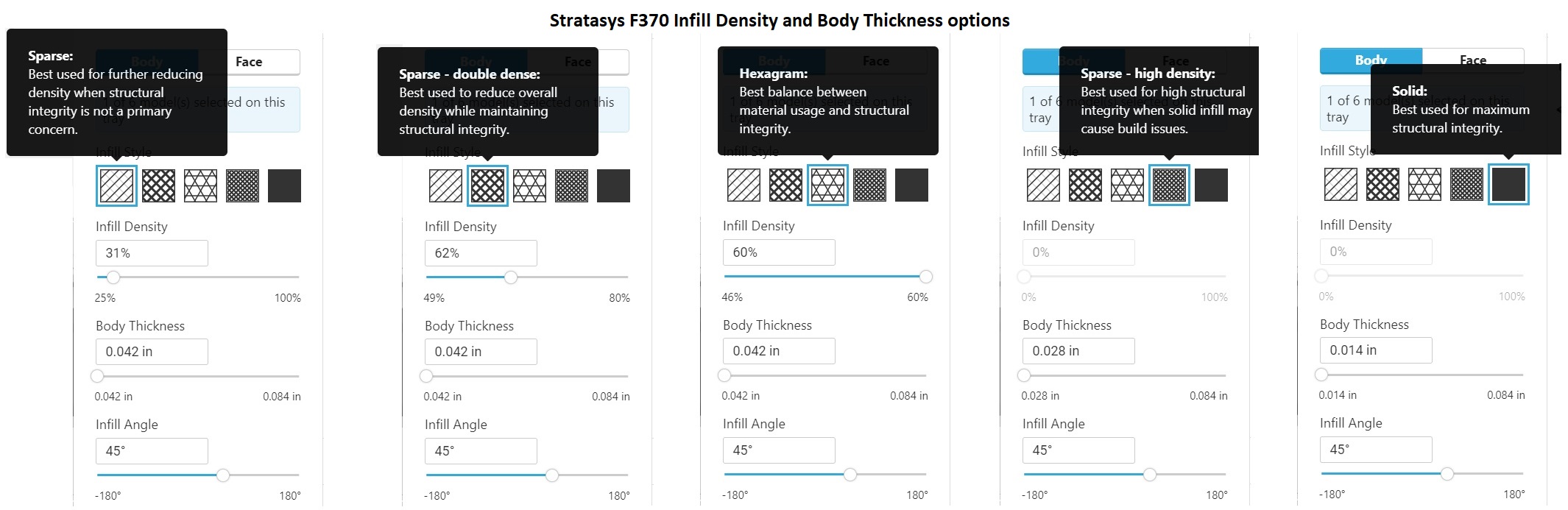
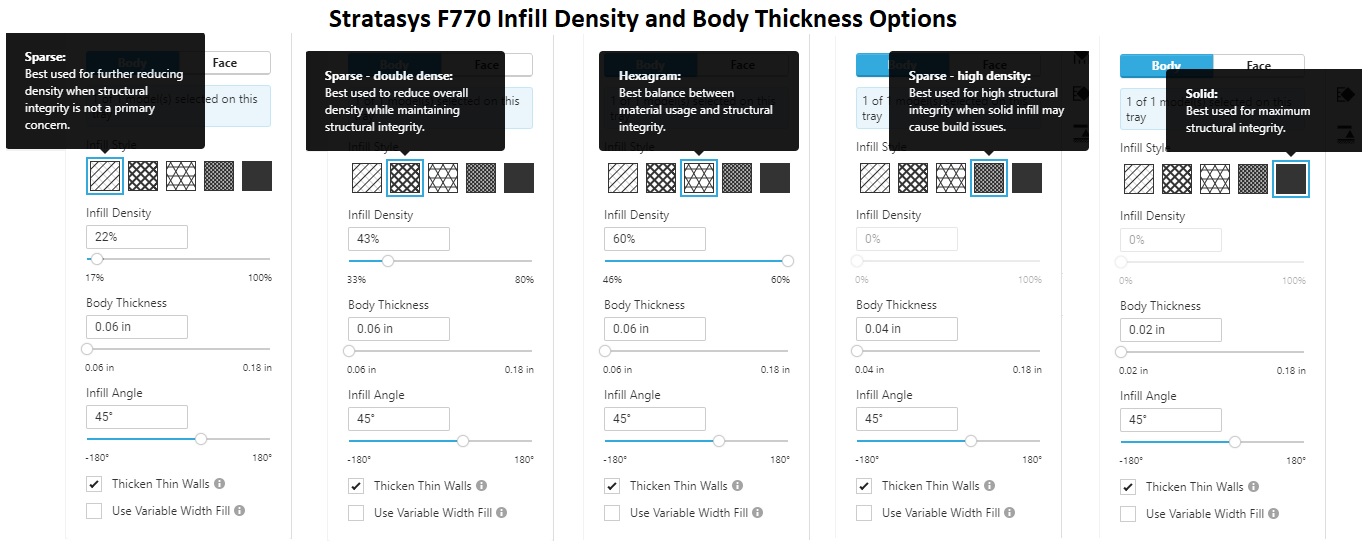
FEDC default settings: Sparse – High Density Infill with 0.04in Body Thickness
Software: GrabCAD
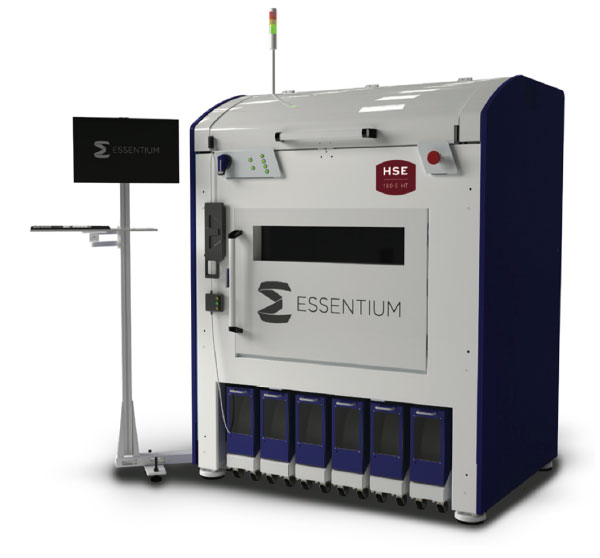
Essentium HSE 180-S
Printer Specifications
Material: PCTG and High Temperature Nylon – (other lower temperature filaments may be possible)
Support: breakaway
Build Volume: 690 x 500 x 600 mm (27.1×19.7×23.6in)
Z slice: 0.25mm
Bead width: Nozzle Diameters: 0.4, 0.8 mm (FEDC Default 0.4mm)
Accuracy/Resolution: XY < 30μm, Z < 5μm
FEDC default settings: Varies greatly by part. Many parts require redesign to print successfully
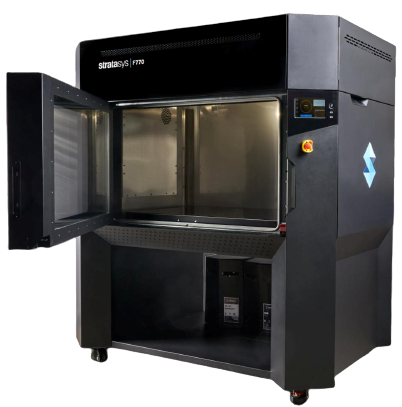
Stratasys F770
Polyjet Style Machines
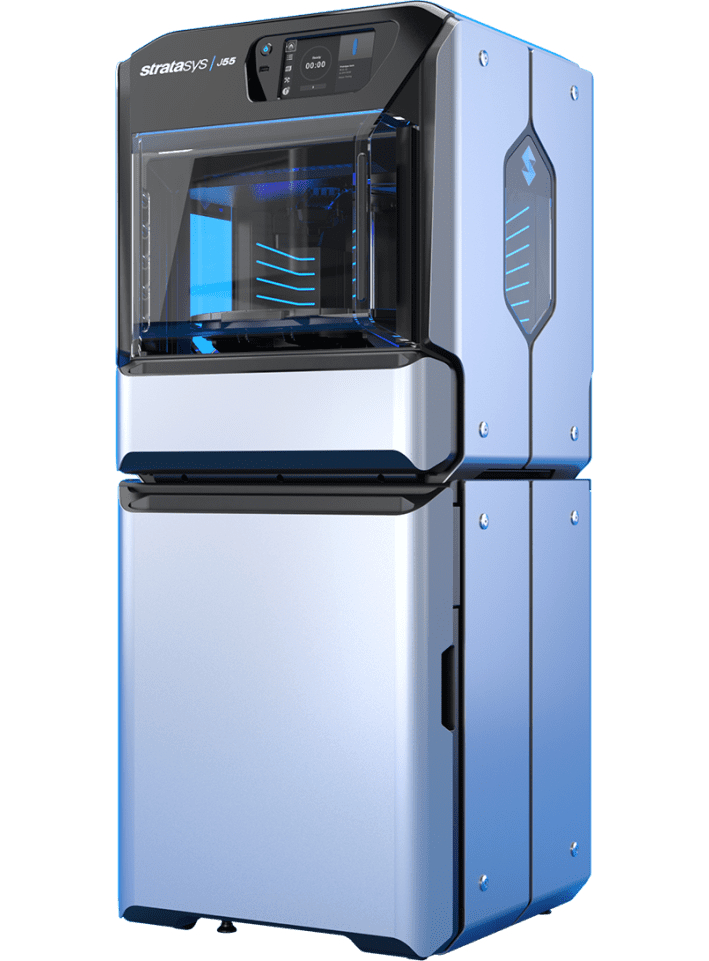
Stratasys J55
Printer Specifications
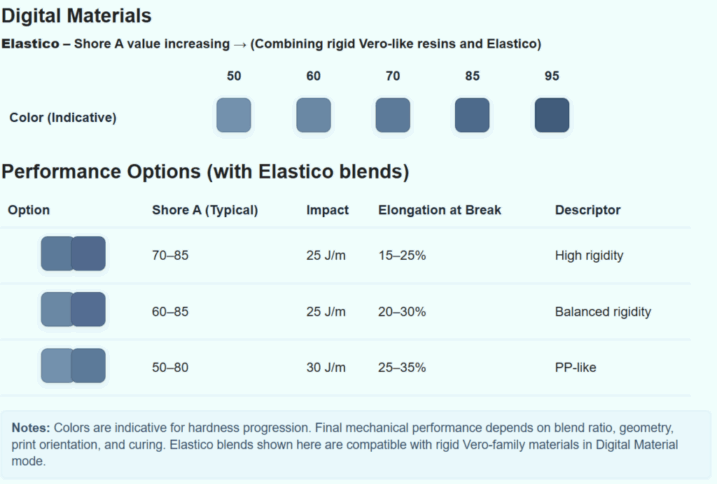
Material: acrylic-like VeroColor suite, Clear, DraftGrey, VeroContact, and rubber-like Elastico
Support: water-soluble
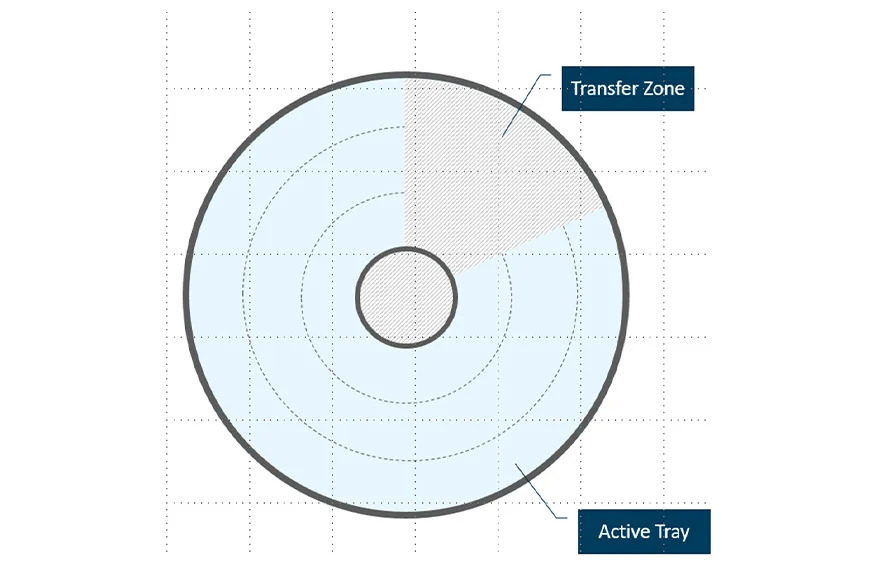
Build Volume: 140 x 200 x190 mm (5.5 x 7.8 x 7.5 in)
Z slice: 18.75 microns
Bead width: X 300 dpi, Y 300 dpi, Z 878 dpi (X 42 microns, Y 42 microns, Z 32 microns)
Accuracy/Resolution: for models printed with rigid materials, based on size: under 100 mm – ±150μ; above 100 mm – ± 0.15% of part length, whichever is greater
FEDC default settings: Dependent upon part needs. Infill is 100%
Software: GrabCAD Print Pro


SLA Style Machines
Cure resin with a light/laser beam to build the part layer by layer. Materials available are Grey and Clear, with different engineering grade materials to be made available upon need.

Formlabs Form 4
Printer Specifications
Material: Primary materials are Grey and Clear. Materials such as Silicone 40A, High Temp Resin, and Rigid 10k are subject to availability. Other engineering materials available with engineering justification and minimum use requirements.
Support: breakaway
Build Volume: 200×125×210mm (7.9 × 4.9 × 8.3 in)
Z slice: 25-200 microns – FEDC default is 50-100 microns
Bead width: laser spot size 50 micron pixel size
Accuracy/Resolution:
1-30 mm features: ±0.15% (lower limit: ±0.02 mm)
31-80 mm features: ±0.2% (lower limit: ±0.06 mm)
81-150 mm features: ±0.3% (lower limit: ±0.15 mm)
FEDC default settings: Dependent upon part needs, Infill is 100%
Software: Preform

Formlabs Form 2 (deprecated)
Printer Specifications
Material: Grey and Clear. Other engineering materials available with engineering justification and minimum use requirements
Support: breakaway
Build Volume: 145×145×175mm (5.7 × 5.7 × 6.9 in)
Z slice: 25-300 microns – FEDC default is 50-100 microns
Bead width: laser spot size 140 microns ~150 micron bead size
Accuracy/Resolution: 95% of prints measured within 0.240mm of designed part
FEDC default settings: Dependent upon part needs, Infill is 100%
Software: Preform
Printer Circuit Board Equipment
Using the Protomat S103 as a CNC router, we are able to create copper traces on boards to create a prototype circuit board. We do not do thru-hole plating. The Voltera V-One is a direct ink write (DIW) technology that uses conductive silver ink to print traces. These machines serve as a prototype prior to getting a production-ready PCB.
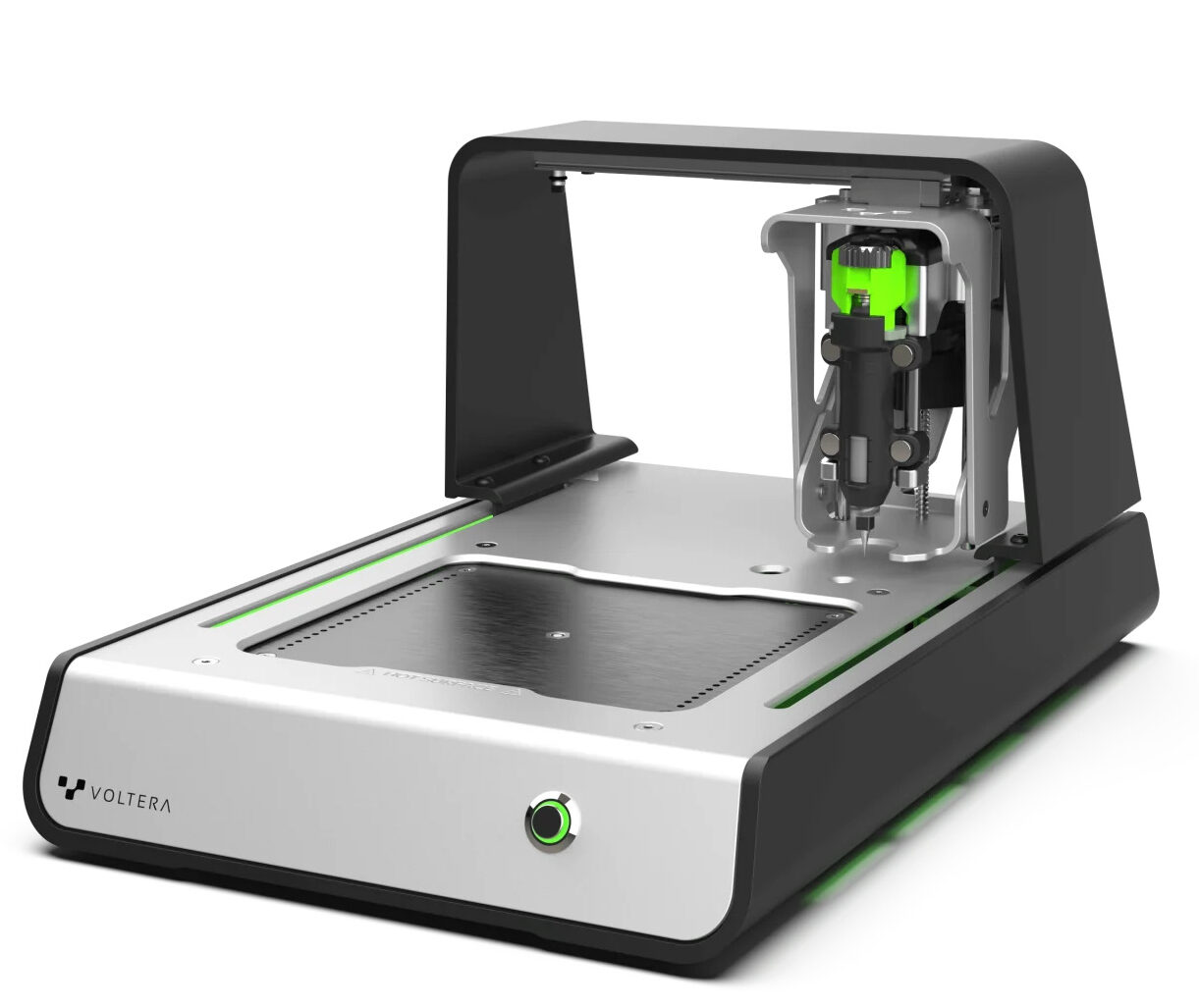
Voltera V-One
Basic Specifications
File format: Gerber
Dispensing technology: Direct ink write (DIW)
Minimum trace width: 0.2 mm
Print area: 128 mm x 116 mm x 3 mm
XYZ resolution*: 10 µm x 10 µm x 1 µm
Substrates: Rigid: FR1 and FR4
Dispensable materials: Solder paste and Conductor 3
Additional features: Integrated hot plate for cure and reflow soldering
* – XYZ accuracy is +/- 20 µm
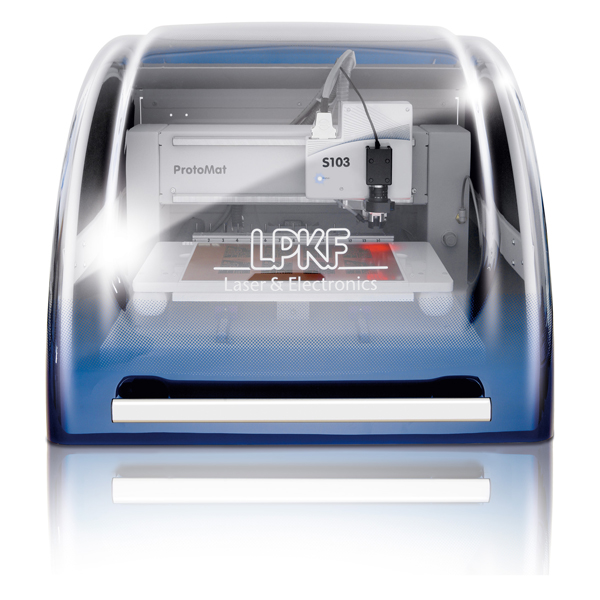
Protomat S103
Basic Specifications
Max. material size and layout area (X/Y/Z): 229 mm x 305 mm x 35/22 mm (9” x 12” x 1.4/0.9”)*
Resolution (X/Y): 0.5 μm (0.02 mil)
Repeatability: ± 0.001 mm (± 0.04 mil)
Precision of front-to-back alignment: ± 0.02 mm (± 0.8 mil)
Milling spindle Max: 100,000 rpm
Tool holder: 3.175 mm (1/8”)
Drilling speed: 120 strokes/min
Travel speed (X/Y) Max: 150 mm/s (6”/s)
Minimum Drill Size: 0.2mm
Standard boards may have minimum 1.0 mm trace thickness and 2.0 mm spacing; anything less requires justification and will result in additional manufacturing time and cost.
No text or images
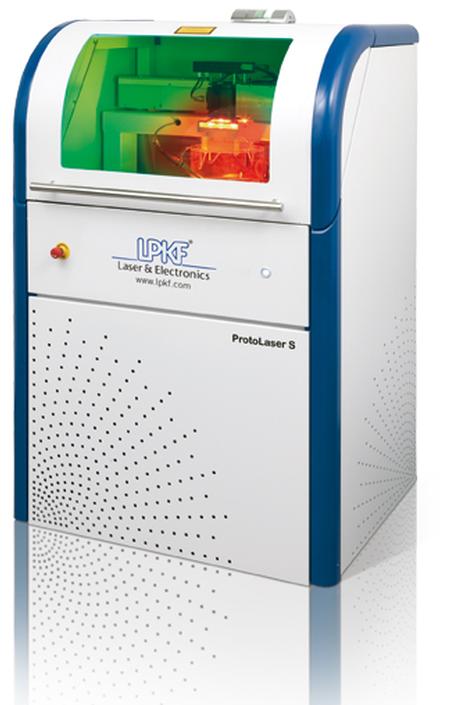
Protolaser S – CURRENTLY OUT OF SERVICE
Laser Cutting Equipment
The ILS9.75 is a free-standing platform with a materials processing envelope of 36” x 24” x 12” or 10,368 in³ (914 x 610 x 305 mm or 169,901 cm³). This is a CO2 laser.
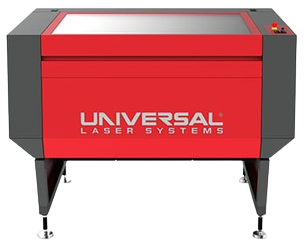
Universal Laser System ILS 9.75
Vinyl Cutting Equipment
The LP801 is a model number primarily associated with the USCutter LaserPoint II 801 vinyl cutter. It is a stepper-motor cutter designed for professional sign-making and graphic arts projects, offering a balance of performance and value.